




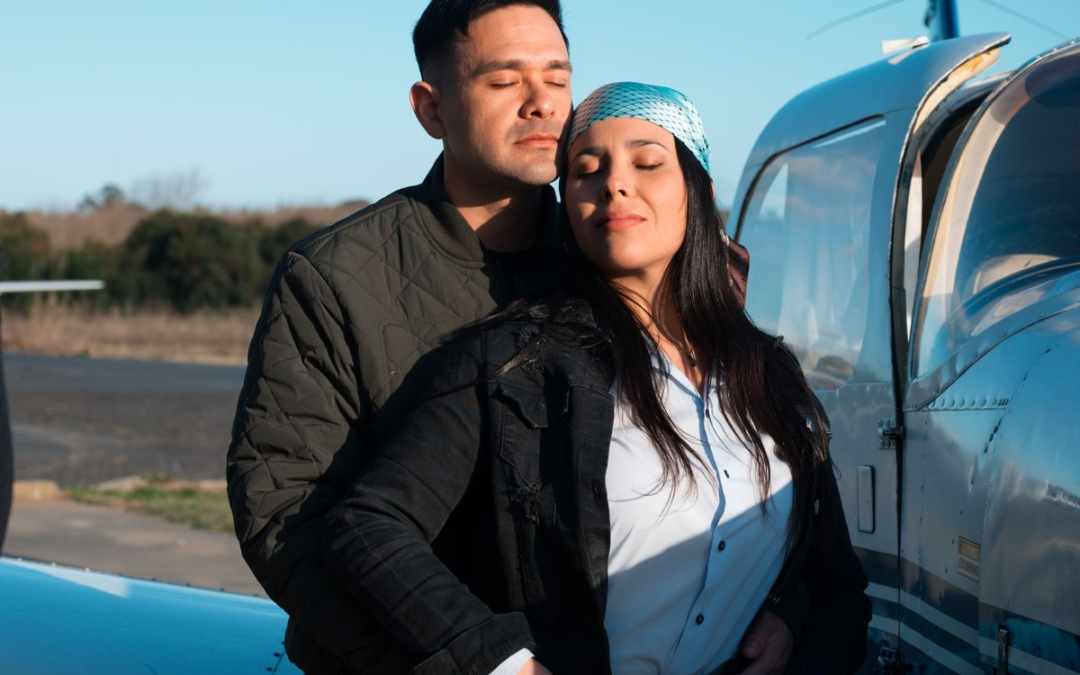
An aviation romance combines the emotional pull of a love story with a world shaped by airports, pilots, flight schedules, travel, and long distances. The setting naturally creates challenges that work well in romance. People leave, return, miss connections, spend nights in unfamiliar cities, and constantly balance relationships with careers that can take them thousands of miles away.
But planes alone do not make an aviation romance memorable. The strongest stories use aviation to influence the characters, their relationships, and the choices they make.
A Believable Aviation Setting
Readers should feel that aviation is part of the characters’ everyday lives rather than decoration added to the background.
Pilots may deal with unpredictable schedules, overnight trips, time away from home, changing destinations, and the responsibility of a demanding profession. Flight crews may form close friendships because they spend so much time traveling together. Partners on the ground must also adjust to relationships where one person is frequently away.
Small, believable details can strengthen the setting. Airport terminals, boarding procedures, aircraft terminology, layovers, and the strange rhythm of constantly leaving and returning can make the story feel authentic.
Distance Creates Natural Romantic Conflict
Romance depends on obstacles, and aviation provides plenty of them.
One person might want stability while the other loves being in the air. A couple may struggle to spend meaningful time together because work keeps separating them. Someone may wonder whether a relationship can survive when their partner spends several days each week away from home.
This makes aviation romance particularly effective when the emotional conflict is connected directly to the character’s profession. The issue is no longer simply, “Do they love each other?” It becomes, “Can the life they have built actually give both of them what they need?”
Travel Creates Opportunities for Change
Travel removes characters from familiar routines. A new destination can give someone space to reconsider a relationship, recover from heartbreak, meet unexpected people, or discover what they really want. Airports can represent departures, but they can also lead characters toward entirely new chapters. That is why destination settings work so naturally with military romance stories.
Strong Characters Matter More Than the Aircraft
Readers ultimately remember people. A pilot should have fears, goals, mistakes, and relationships beyond the cockpit. The romantic interest also needs personal ambitions and reasons for making difficult decisions. Aviation becomes compelling when it places pressure on those characters rather than replacing their emotional development.
Romance Needs Real Stakes
Great romance asks characters to risk something important. Choosing love may require changing careers, relocating, accepting distance, reconsidering long-held plans, or trusting someone after disappointment. When characters must make meaningful decisions, the eventual romantic payoff feels earned.
Readers who enjoy Navy life and long-distance love stories will appreciate how these stakes are developed through aviation settings.
Take Off Into a Story of Love and New Beginnings
Chase Logan’s Six Hearts One Island: Second Chance Romances in Hawaii brings travel, relationships, heartbreak, and new possibilities together. Aviation is woven naturally into Vickie’s life, from her familiarity with aircraft and airline travel to a marriage affected by Ryan’s career as a pilot. Finding love and laughter in Hawaii becomes the heart of this story. Logan also explains that memories of Hawaii, airline layovers, and flight crew stories helped inspire the book.
Read Six Hearts One Island by Chase Logan and discover how one journey can give broken hearts room to find a new direction.